Essential Oil Insights
What Are the Main Essential Oil Extraction Methods?
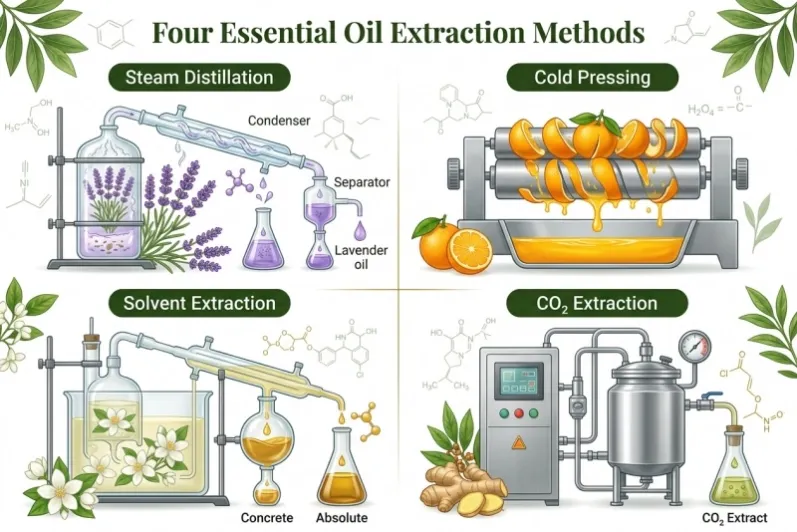
Essential oils are extracted by steam distillation, cold pressing, solvents, or CO₂. Each method suits different plants and affects aroma, composition, safety, and price.
Explore procurement guides, technical product notes, material insights, industry trends, and field updates from our team.
Essential oils are extracted by steam distillation, cold pressing, solvents, or CO₂. Each method suits different plants and affects aroma, composition, safety, and price.
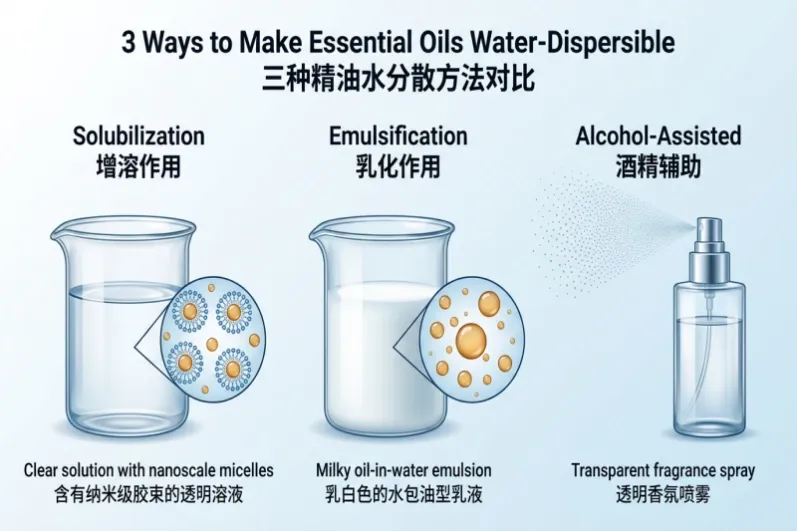
Essential oils can be water-dispersed using solubilizers, emulsifiers, or ethanol. Correct premixing, preservation, suitable ratios, and stability testing are essential.

We provide essential oil samples for sensory and laboratory testing, helping buyers verify purity, aroma, quality, and suitability before placing bulk orders.

Discover how origin, climate, plant species, harvesting, extraction, and storage shape essential oil quality, and learn practical tips for choosing authentic, transparent, reliable products from diffe
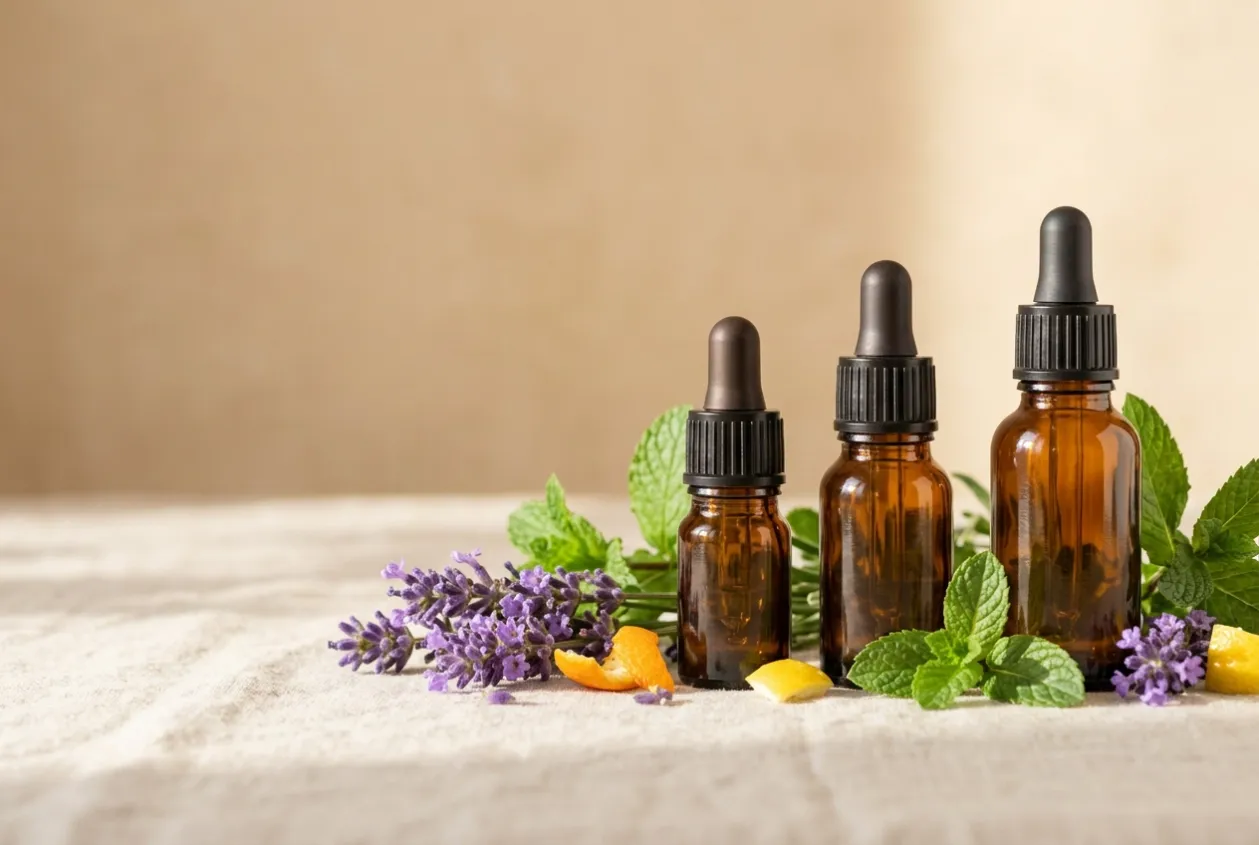
Discover 100% pure, plant-derived essential oils with no synthetic fragrances or unnecessary additives. We provide single oils, custom blends, third-party testing support, and flexible OEM/ODM solutio
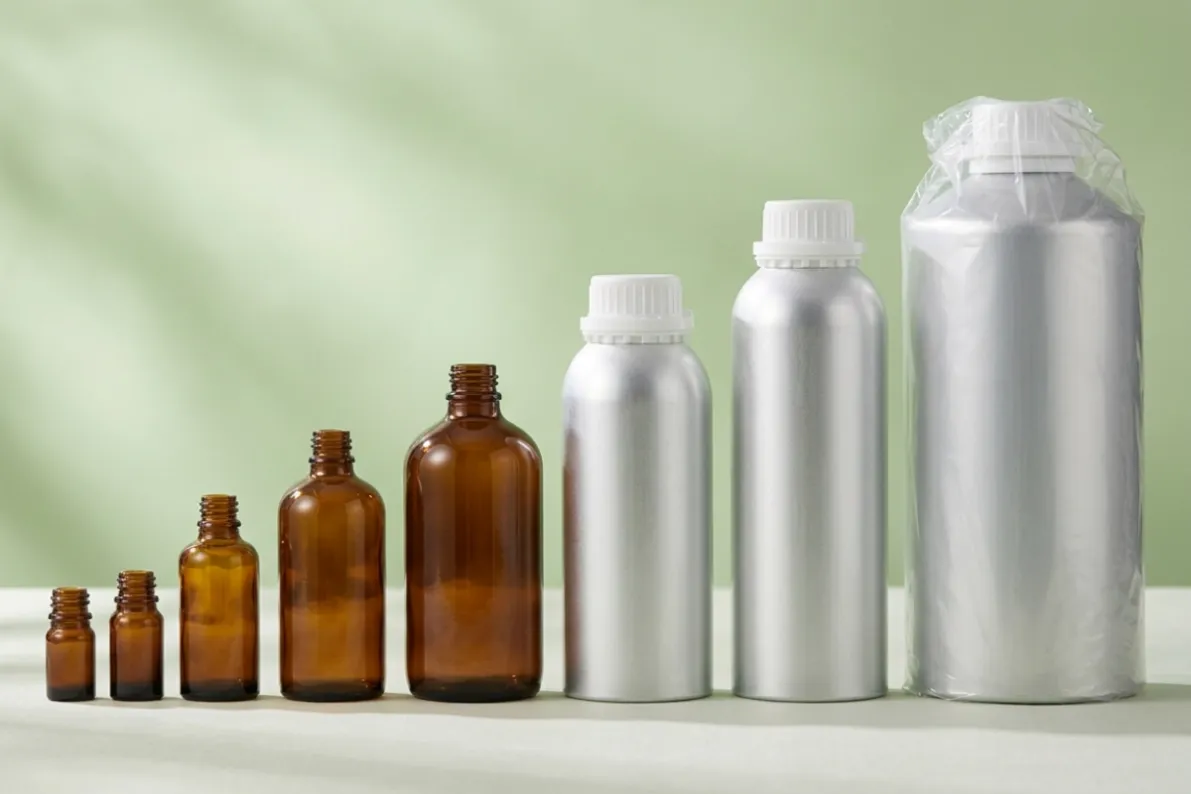
Explore custom essential oil packaging, including bottle sizes and colors, droppers, rollers, sprays, labels, gift boxes, and eco-friendly options.

Custom essential oil prices depend on materials, purity, formula, order size, packaging, testing, compliance, and shipping. Clear requirements help suppliers provide accurate quotes.

Learn how essential oils are produced—from harvesting and extraction to filtration, testing, and storage—and how each step affects their aroma, purity, and quality.
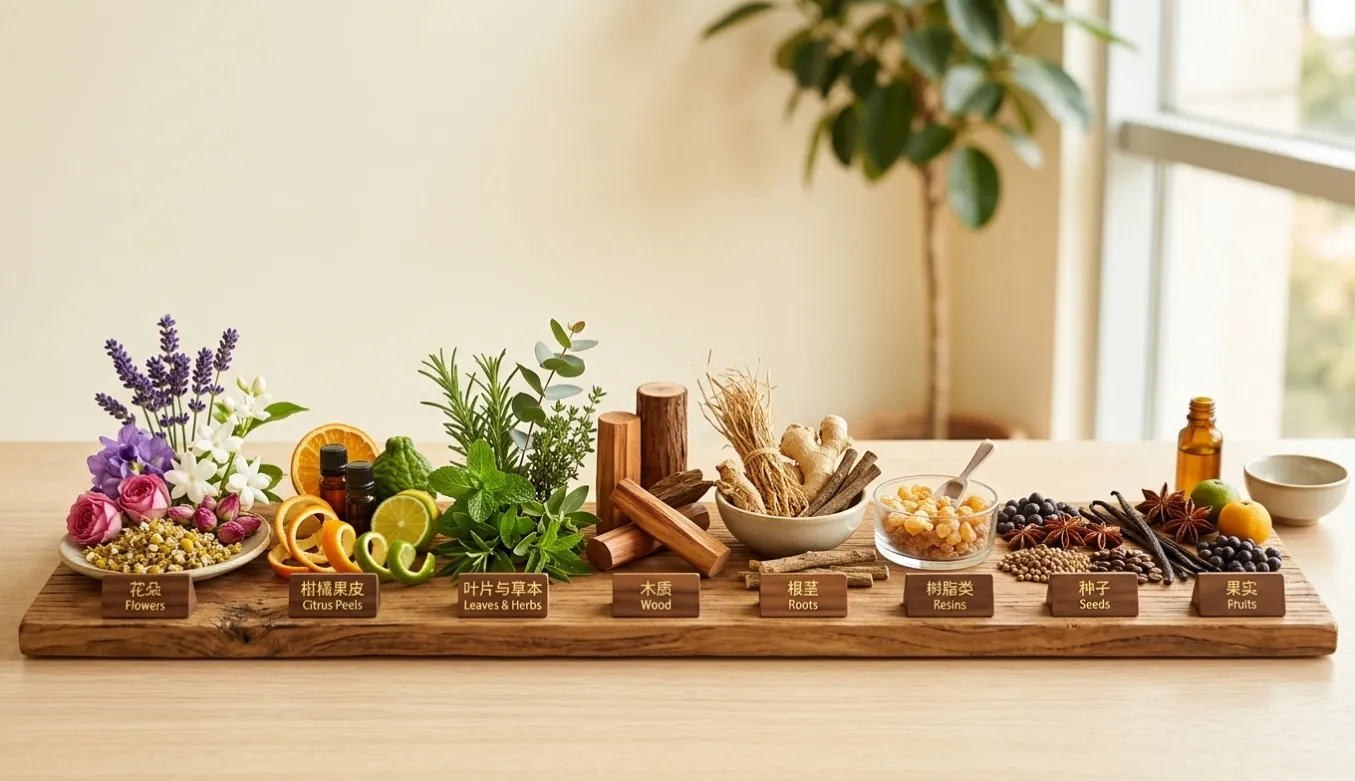
This guide explains essential oil classifications by plant part, aroma, extraction method, and product form, plus key B2B sourcing, quality, safety, and private-label considerations.
Recommended products
Popular pieces selected to support the routines, repairs, and ideas featured in our journal.
A compact organizer for cables, toiletries, repairs, and the kit you move between bags.

Low-profile trays for mail, tools, notebooks, and the small things that collect near a desk.

A structured carryall for short trips, gym days, and the extra layer you always bring.