Essential Oil Insights
What Factors Affect the Price of Custom Essential Oils?
Custom essential oil prices depend on materials, purity, formula, order size, packaging, testing, compliance, and shipping. Clear requirements help suppliers provide accurate quotes.

The price of custom essential oils is not determined by a single factor. Raw materials, formulation, packaging, order quantity, and quality requirements can all affect the final quotation. Understanding these factors helps buyers plan their budgets and enables suppliers to provide more accurate product solutions.
1. Type and Origin of Raw Materials
Prices vary greatly among botanical oils. Essential oils such as sweet orange, lemon, and peppermint are generally more affordable because their raw materials are widely available. In comparison, rose, jasmine, sandalwood, and helichrysum oils are usually more expensive due to lower plant yields and more demanding harvesting and processing methods.
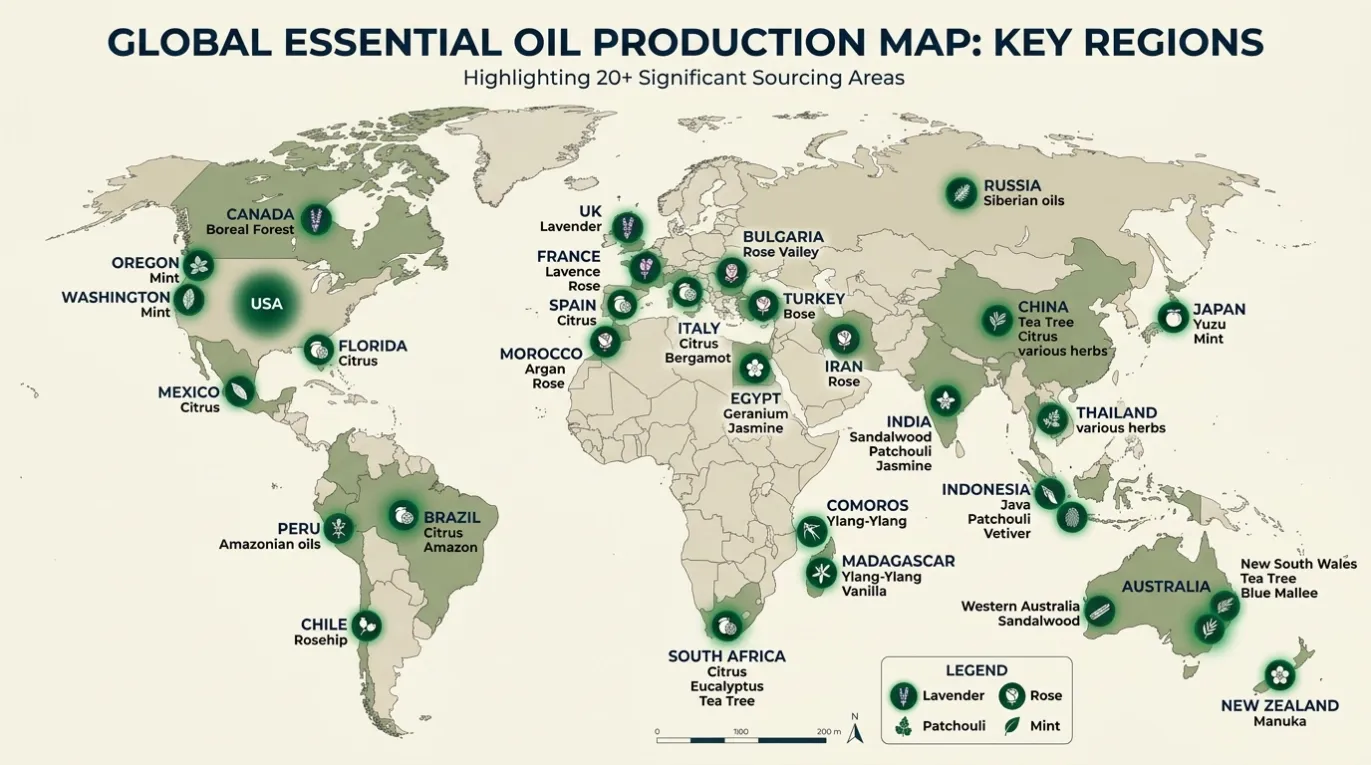
Origin is another important factor. Climate, soil, farming practices, harvest season, and transportation distance can all influence quality and cost. Even the same type of essential oil may have a different aroma profile, chemical composition, and price when sourced from different regions.
2. Purity and Raw Material Grade
Customers may choose pure single essential oils, essential oil blends, diluted aromatherapy oils, or fragrance products containing both natural and synthetic aromatic ingredients. These product types have different positioning and cost structures.
Products made with 100% natural essential oils are usually more expensive, especially when buyers have specific requirements for botanical names, origin, extraction methods, and batch composition. For massage, body care, or everyday fragrance products, carrier oils can be added at an appropriate ratio to balance safety, performance, and cost.
3. Formulation Complexity
The more complex the formulation, the higher the development cost is likely to be. A simple blend may contain only two or three essential oils, while a more specialized aromatherapy product may require multiple essential oils, botanical extracts, and carrier oils, as well as several rounds of sampling and adjustment.
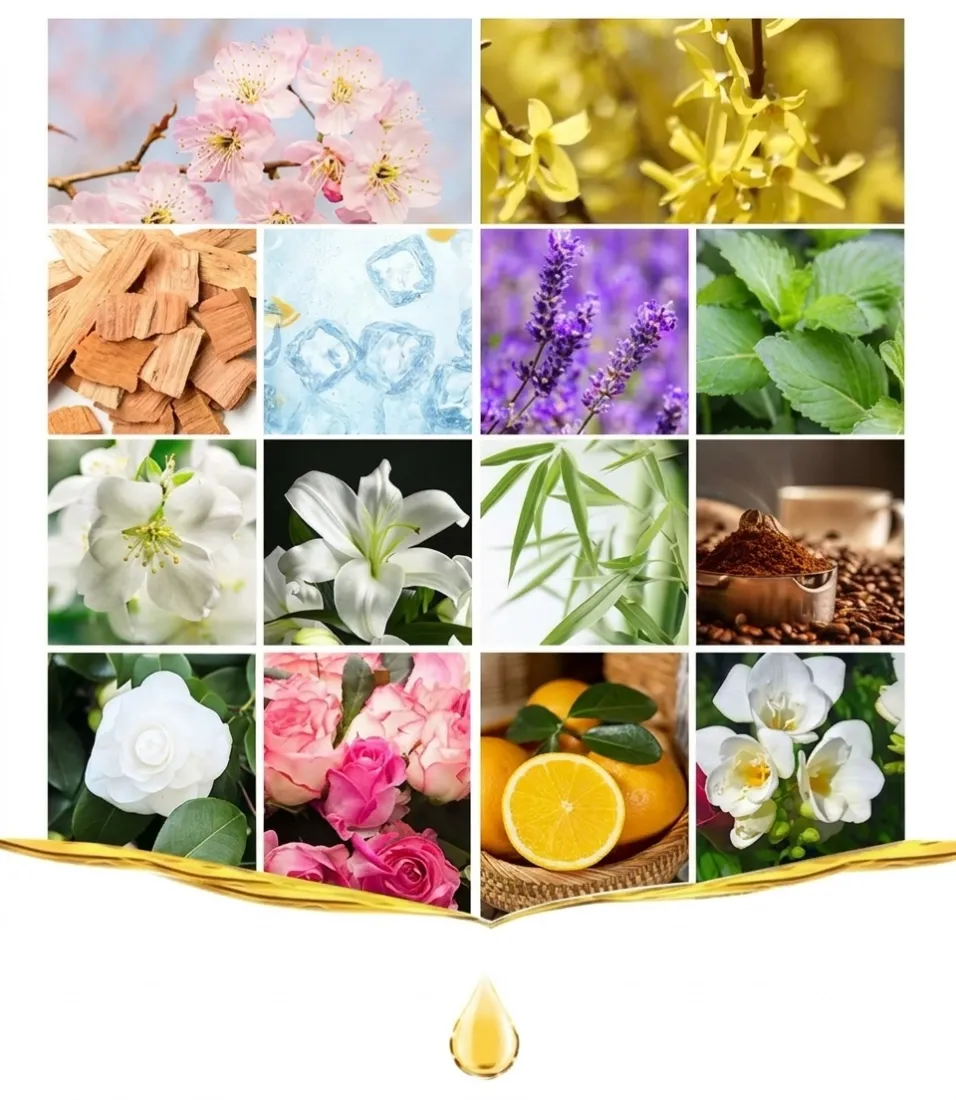
A good blend should not only smell pleasant but also achieve a balanced structure among its top, middle, and base notes. Stability during actual use must also be considered. When buyers request a specific scent, texture, or market positioning, formulation design, sample testing, and revisions may add to the total cost.
4. Order Quantity and MOQ
Order quantity is one of the main factors affecting the unit price. For small orders, fixed costs such as sampling, raw material purchasing, production setup, printing, and labor must be spread across fewer units. As a result, the unit price is usually higher.
When the order quantity increases, raw materials and packaging can be purchased in bulk, while production becomes more efficient. This generally reduces the cost per unit. However, a low minimum order quantity is useful for new product testing and market validation, helping buyers reduce inventory pressure and initial risk.

5. Packaging and Customization
Packaging protects the product and plays an important role in brand presentation. Common options include amber glass bottles, roller bottles, dropper bottles, and aluminum containers. The material, size, color, and sealing system of the container all affect the price.
Customized labels, printed boxes, instruction leaflets, gift sets, bottle printing, and special accessories also add to the cost. Standard packaging with a custom label is generally more suitable for small orders, while fully customized bottles and packaging structures usually require higher MOQs and additional tooling investment.
6. Testing, Certification, and Quality Requirements
Quality documentation requirements vary among customers and markets. Common documents include Certificates of Analysis, Safety Data Sheets, GC-MS test reports, allergen information, and traceability records. Some products may also require organic certification, vegan statements, cruelty-free declarations, or other third-party certifications.
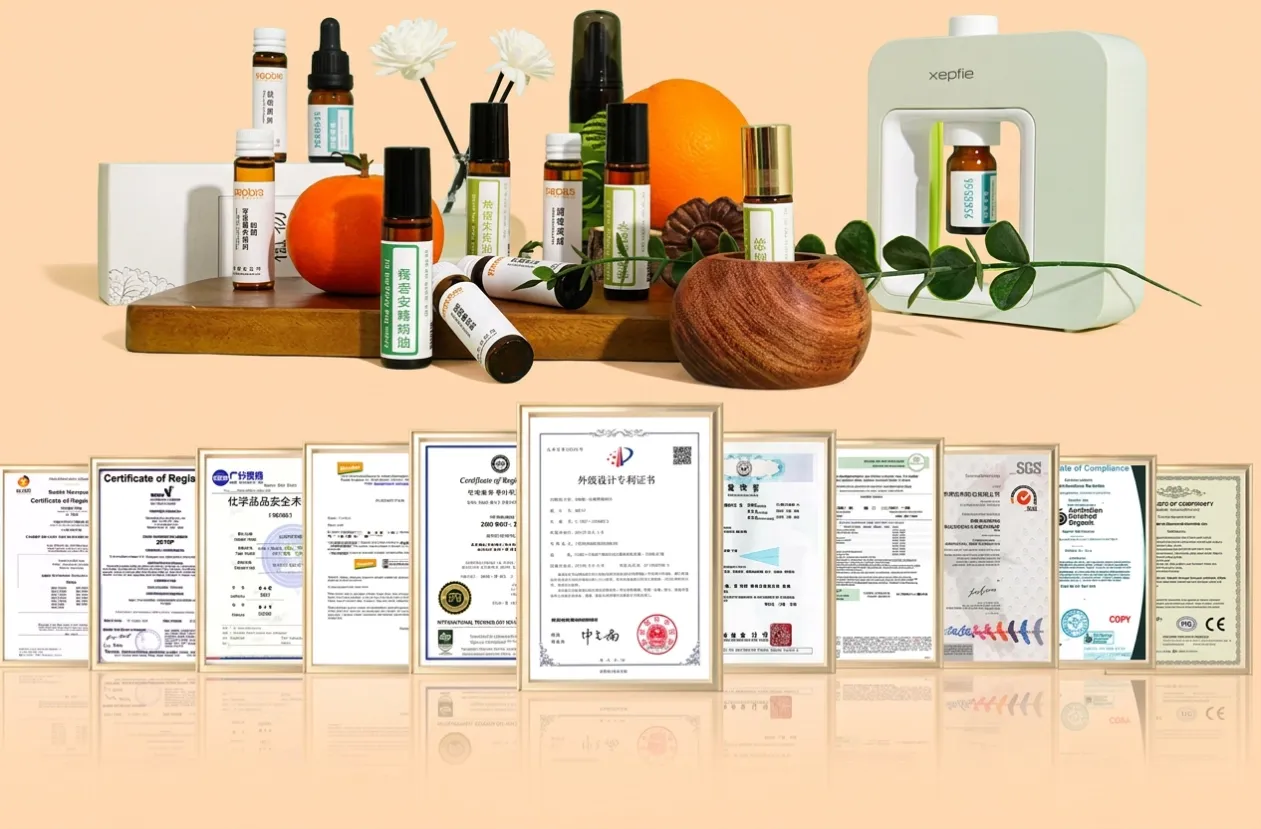
Testing and certification improve transparency and product credibility, but they may involve additional costs. Clearly identifying the destination market and required documents before requesting a quotation helps the supplier provide a more suitable and accurate offer.
7. Regulatory and Labeling Requirements
Essential oils can be used in aromatherapy, cosmetics, personal care, and home fragrance products. Different applications are subject to different regulations, labeling rules, and safety requirements.
For example, cosmetic products may require ingredient lists, warning statements, and product safety documents. Products exported to different countries must also meet local language, labeling, and compliance requirements. Document preparation, label review, and third-party testing may therefore affect the project cost.
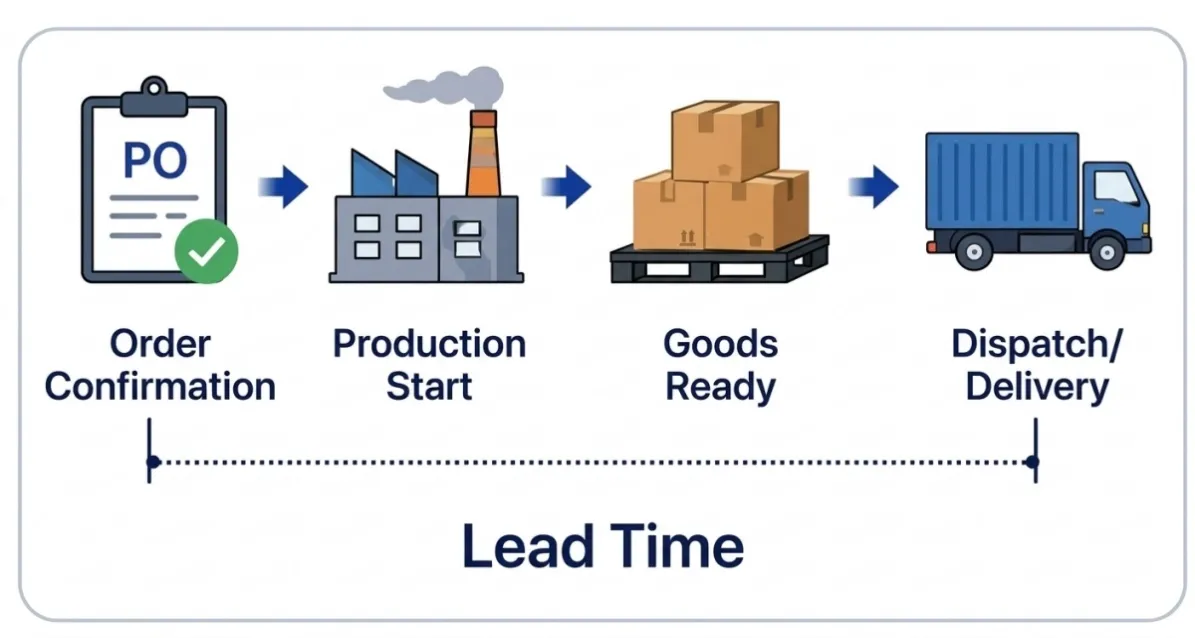
8. Lead Time and Shipping Method
A reasonable production schedule allows the supplier to arrange raw material purchasing and manufacturing efficiently. Urgent orders may involve additional costs for expedited sourcing, overtime production, or faster delivery.
The shipment of essential oils also requires attention to safe packaging, leakage prevention, and applicable transportation regulations. Shipping method, destination, cargo weight, and delivery schedule all affect the final cost.
Conclusion
The price of custom essential oils is mainly influenced by raw materials, purity, formulation, order quantity, packaging, testing, certification, regulatory requirements, and shipping. The lowest price is not always the best choice. Buyers should also consider product quality, supply stability, compliance, and brand positioning.
When requesting a quotation, it is helpful to provide the product type, formulation requirements, estimated quantity, packaging specifications, destination market, and certification needs. The more complete the information is, the easier it will be for the supplier to offer a transparent, accurate, and competitive custom solution.
What matters most to you when customizing essential oils—ingredient quality, formulation, packaging, or price? Share your needs and ideas with us. If you already have a product concept, contact us for professional advice and a custom quote.