Essential Oil Insights
What Are Essential Oils?
Essential oils are concentrated plant extracts used in fragrance, skincare, massage, and aromatherapy. Proper dilution and careful use are vital, as natural does not always mean safe.
Essential oils are highly concentrated, volatile substances extracted from aromatic plants. They can be found in flowers, leaves, fruit peels, seeds, wood, resins, and roots, where they contribute to a plant’s characteristic scent. Despite the word “oil,” essential oils are different from vegetable oils such as olive or coconut oil. They generally contain no fat and evaporate easily, producing strong aromas.
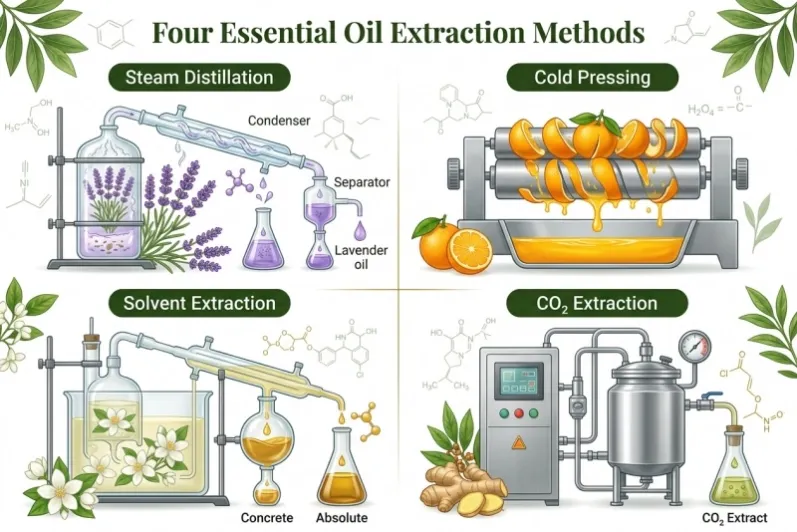
Extraction methods vary according to the plant material. Steam distillation is the most common method. Steam carries the aromatic compounds out of the plant, after which the vapor is cooled and the essential oil is separated. Citrus oils are usually obtained through cold pressing of the peel. Delicate flowers may require solvent extraction or supercritical carbon dioxide extraction. Each method can influence the oil’s aroma, composition, and price.

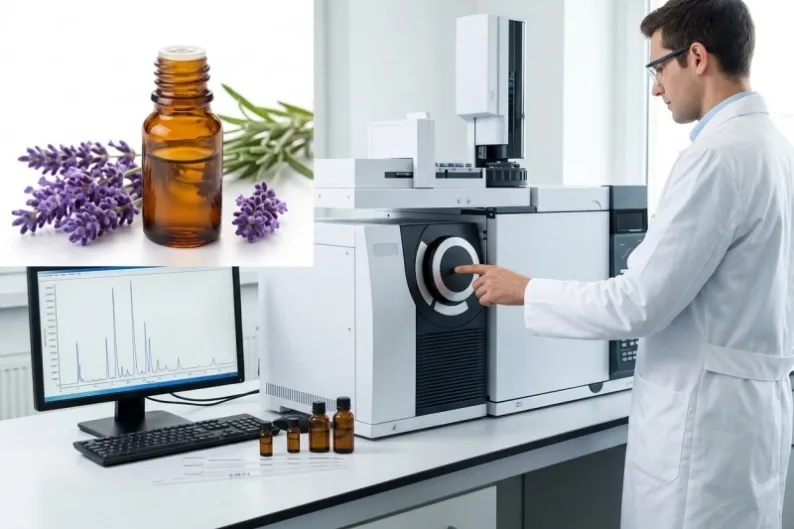
Chemically, an essential oil is not a single substance. It is a complex mixture that may contain dozens or even hundreds of natural compounds, including terpenes, alcohols, esters, aldehydes, ketones, and phenols. Together, these compounds determine the oil’s scent, stability, and biological properties. Lavender oil, for example, commonly contains linalool and linalyl acetate, which create a soft, fresh aroma. Menthol gives peppermint oil its distinctive cooling sensation.
Essential oils are widely used in perfumes, skincare products, household cleaners, massage, and aromatherapy. They may be inhaled with a diffuser or applied during massage after proper dilution. Some studies suggest that certain aromas may promote relaxation, improve the subjective experience of sleep, or ease minor discomfort. However, results vary depending on the oil, method of use, and individual. Essential oils should not replace medical treatment or be presented as cures for disease.

Because they are highly concentrated, essential oils must be used carefully. Most should not be applied directly to the skin. They should be diluted in a carrier oil, and a small patch test is recommended before wider use. Essential oils should generally not be swallowed without qualified medical guidance. Children, pregnant or breastfeeding women, people with allergies, asthma, or epilepsy, and households with pets should take extra precautions. Some citrus oils are phototoxic, so sun exposure should be avoided after topical use.
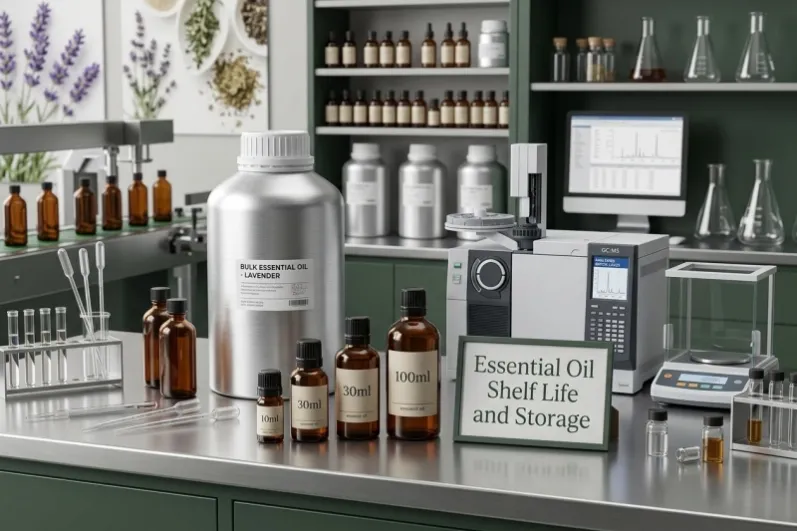
When purchasing essential oils, check the botanical name, plant part, extraction method, origin, batch information, and expiration date. Good-quality oils are usually stored in sealed, dark glass bottles and kept in a cool place. Price alone does not guarantee quality; transparent labeling and reliable testing are more important.
In short, essential oils are concentrated aromatic extracts from plants. They can enrich everyday life, but “natural” does not automatically mean safe. Understanding their origins, properties, and correct use is the key to enjoying them responsibly.